
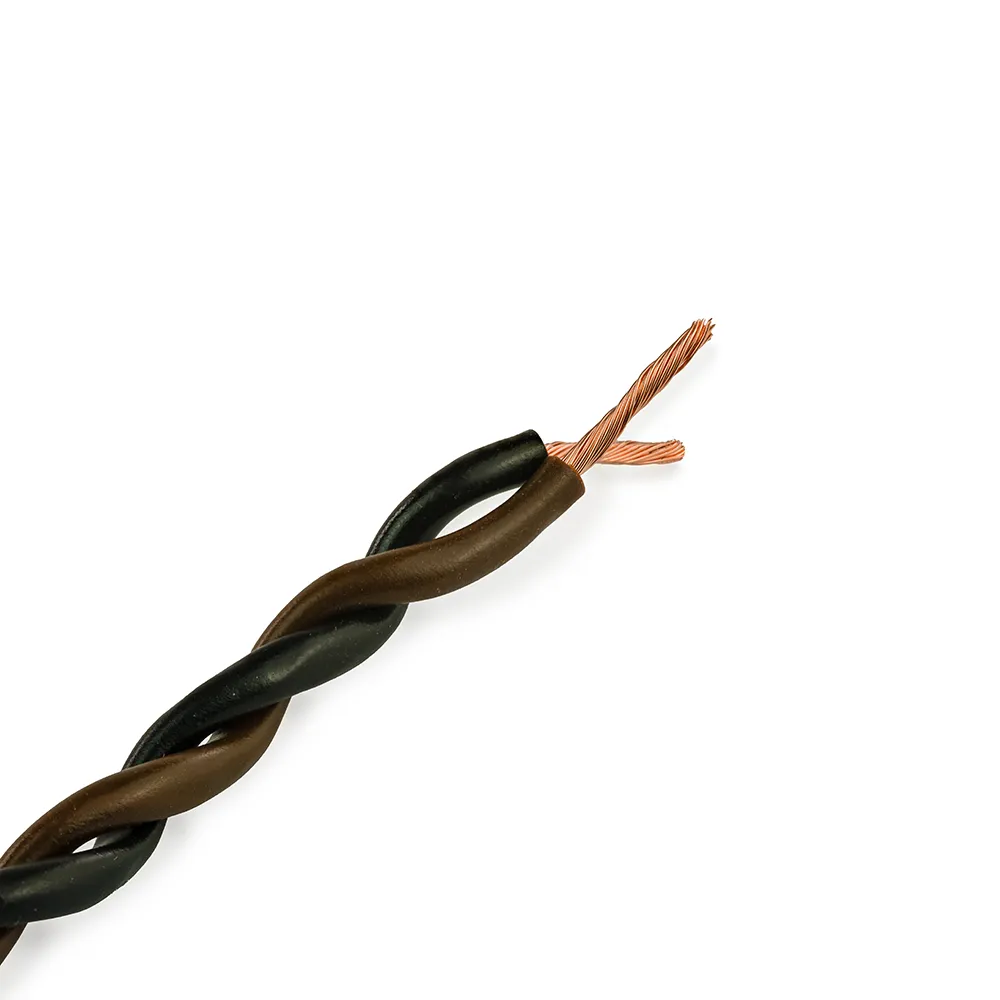
Large-scale building demolitions are generally complex with high stakes. This means they need careful planning, specialist equipment, and strict safety standards. One element of large-scale projects that tends to fly under the radar is demolition cable. In this blog, we will discuss the role of demolition cable in large-scale projects, including best practices and key requirements.
The Role of Demolition Cables in Large-Scale Projects
Demolition cables are the lifeline of a demolition project as they transmit the electrical signals from the firing device to the explosive chargers, which trigger the detonation process. They’re especially critical in large projects where heavy machinery, long cable runs, and temporary infrastructure need reliable power delivery.
Key Requirements for Demolition Cables in Large-Scale Demolition
Durability
Demolition cables must be able to withstand contact with rough surfaces and debris. Therefore, reinforced jackets made from abrasion-resistant materials help to prevent wear and tear or damage that could affect the safety of the cable.
Weather Resistance
When exposed to the elements, like rain, wind, UV radiation, and extreme temperatures, the cable’s performance can be compromised. Therefore, weather-resistant sheathing is essential to maintain reliability in any condition.
High Heat Tolerance
Demolition sites are full of welding, cutting, heavy machinery, and more heat sources that can cause damage to demolition cables. Heat-resistant cables that have polyethene insulation help to maintain the cable’s integrity even in extreme temperatures.
Electrical Performance
Demolition cables must be able to carry high currents of electricity efficiently without overheating or experiencing a voltage drop. To ensure this, high-quality insulation in cables is needed to ensure consistent power.
Safety
Demolition cables should meet all relevant industry standards, such as DEF 61-12 Part 17, and HSE Guidelines.
Best Practices for Using Demolition Cables on Large Sites
When using demolition cables for large-scale projects, it’s important to handle and install them properly. This is just as important as selecting the right type.
- Securing cables off the ground – elevating cables ensures they avoid anything that could compromise the integrity of the cable, such as water pooling on the ground.
- Proper routing – by positioning cables away from high-traffic areas, you avoid the risk of abrasion and damage.
- Regular inspections – consistently inspect cables for signs of wear and tear or damage.
- Proactive measures – use cable trays, protective sleeves, and conduits to shield cables from impact, debris, and elements.
- Cable management – use labels to simplify troubleshooting.
Looking for Demolition Cables?
At K. Lacey Cables, we have a range of demolition cables available for large-scale projects. We offer standard 0.75mm as well as 0.5mm and 0.22mm. Each is engineered from high-quality, non-conductive materials to ensure maximum safety and compliance. For more information or to discuss your large-scale demolition project, contact our cable experts today.