
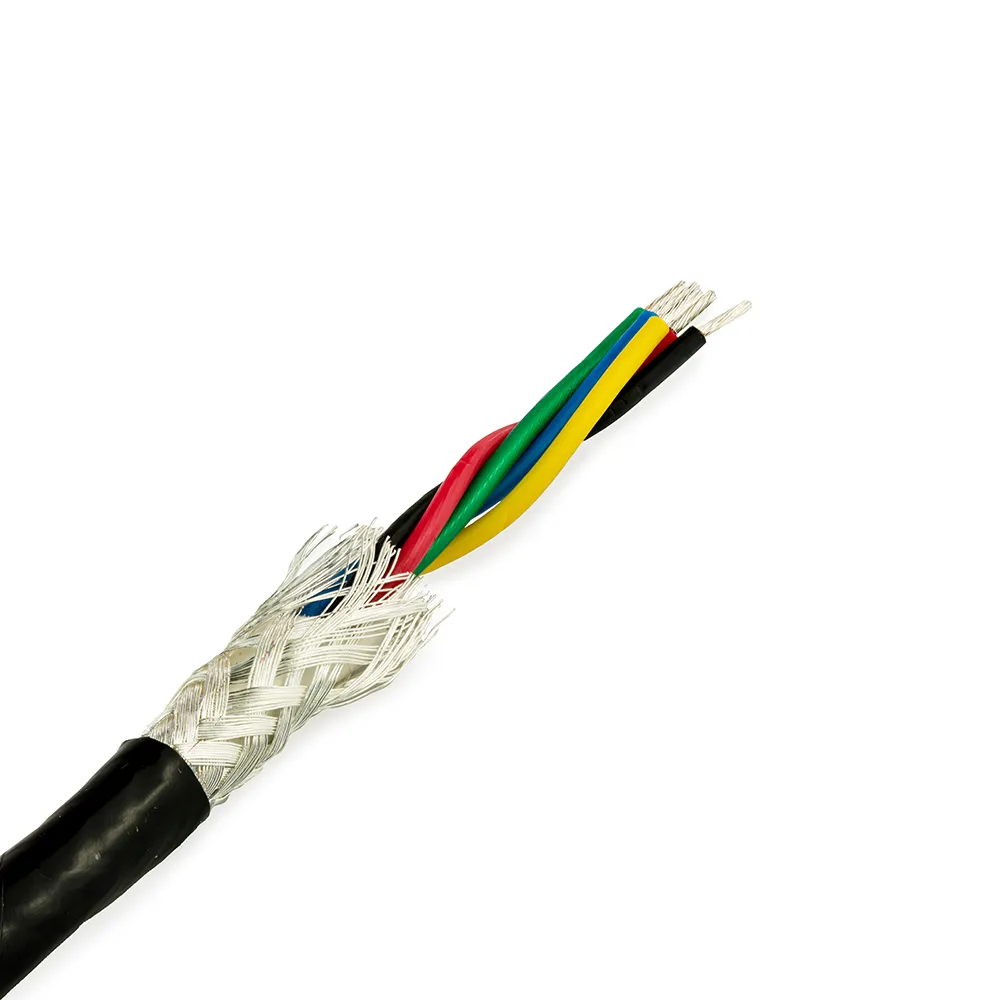
From medical devices and aerospace equipment to industrial machinery and electronics, the right cable either makes or breaks the performance, safety, and reliability. Standard cables suit many everyday applications, but there are many situations where only custom cable will do, as they offer a tailored solution for systems that demand reliability, efficiency, and precision.
Understanding Custom Cables
A custom cable is specifically designed and manufactured to meet exact electrical, mechanical, and environmental requirements for an application rather than using off-the-shelf specifications. The customisation can include:
- Conductor size
- Number of cores
- Insulation
- Shielding
- Colour
- Flexibility
- Temperature rating
- Voltage rating
- Chemical resistance
- Fire performance
For example, instead of buying a standard 5m cable and coiling the excess, a machine may require exactly 2.35 metres of cable with double shielding and an oil-resistant jacket.
Why Aren’t Standard Cables Always Suitable?
Many people assume cables are interchangeable, however this isn’t the case. There are massive differences between standard and custom cables that can be detrimental to your application if they’re not right. For example, it can cause unnecessary downtime, premature failure, signal interference, and compliance issues.
Standard Cable | Custom Cable |
Generic materials | Application-specific materials |
Limited temperatures | High/low temperatures |
Standard shielding | Custom EMI protection |
General purpose | Designed for one application |
|
|
Benefits of Custom Cables
There are many benefits to choosing custom cables, including:
- Tailored performance – custom cables are designed to meet the exact specifications of a project to ensure optimal performance.
- Space efficiency – custom cables can be customised to fit into specific spaces, which eliminates unnecessary bulk.
- Durability – custom cable can be built to withstand harsh conditions such as high temperatures, vibrations, and more.
What Can Be Customised?
Almost every element of a cable can be customised to suit specific applications.
Conductors
Conductors determine how efficiently electricity or data is transmitted. Common options include copper, tinned copper, and silver-plated copper.
Insulation Materials
Insulation affects temperature resistance, flexibility, and chemical durability. Common options for insulated materials include PVC, silicone, PTFE, and polyurethane.
Shielding
Shielding protects cables from electromagnetic interference, which is important when it comes to sensitive systems.
Jacket Materials
The outer jacket is the protective outer layer of a cable. Its role is to protect the entire cable , and it is designed to withstand oil, UV, fire, chemical exposure, moisture, and abrasion.
Flexibility
Cables are designed for no movement, occasional movement, and continuous flexing. Depending on the type of application determines the type of cable that is manufactured. For example, in robotics or automation, cables with high flexibility are required.
Where Are Custom Cables Used?
When creating custom cables, manufacturers will need to look into the bespoke needs and requirements of the application and industry. As technology continues to develop, industries that usually would have used standard cables are now relying on custom-designed cables to meet their unique and complex needs.
Telecommunications
The telecommunications industry has millions of people who depend on it, and so widely depends on custom cables. Many devices rely on WiFi, mobile data, and telecom connectors, all of which rely on custom cables for the connection.
Medical and Healthcare
Custom cables are crucial in the healthcare and medical industry, from medical record systems to high-tech machinery. With infection control as one of the highest priorities, custom cables are needed in order to help sterilise, whilst withstanding heat, moisture, and flexibility.
Military and Defence
The military and defence industry relies on communication and confidentiality. Custom cables are therefore needed to provide closed, confidential communication.
Automotive
The assembling of vehicles requires conscious effort and expertise, and the perfect combination of wires and cables. Custom cables are therefore needed for the most accurate, streamlined production that withstands constant movement and high temperatures.
Aerospace
Within an aeroplane, there are thousands of complex wiring systems, meaning the length of wires can take up a considerable amount of space. The aerospace industry therefore depends on custom cables to provide optimum performance and space for modern aeroplanes.
The Custom Cable Design Process
By understanding how a custom cable is made, we can see why it performs better than standard alternatives.
- Understanding the application – information is gathered about how and where the cable will be used, including the environment, electrical requirements, installation space, and flexibility needs.
- Reviewing the requirements – the application will be assessed to determine the most suitable cable construction. This will include selecting the appropriate conductor size, insulation material, shielding, outer jacket.
- Developing the specification – a detailed specification will be created detailing the cable’s construction, dimensions, materials, and more.
- Design and manufacture – the cable will be designed and manufactured to meet the agreed specification.
- Testing – the cable will be tested to ensure it meets the right standards.
- Production and delivery – once the design has been approved and quality checks have been carried out, the cable is manufactured for production and delivered to the client.
Looking for Custom Cables?
Whether you’re designing equipment for aerospace, defence, medical, or industrial applications, K. Lacey Cables can help you find the right solution. We work closely with customers to understand their requirements and source custom cable solutions for their applications. Get in touch with K Lacey Cables today to discuss your requirements or request a quotation.