
Demolition cables are crucial for keeping businesses operating, but without proper protection, cables are vulnerable to damage and corrosion, which can result in less efficient output and reduced safety. It’s therefore important to consider how you protect your cables from damage.
In this blog, we will discuss the common risks to demolition cables without the right protection and how you can mitigate them.
Common Risks to Demolition Cables
Weather Exposure
The weather can have a significant impact on the physical properties and performance of demolition cables, leading to damage, signal degradation, and safety risks. For example:
- Extreme cold – freezing temperatures can make the outer sheaths of cables rigid and brittle so that, when bent, they are prone to cracking, which exposes the internal components.
- Extreme heat – high temperatures, especially when combined with UV radiation, can speed up the degradation of the materials, which reduces their lifespan and dielectric strength.
- Rain and moisture – water that leaks into cables can cause short circuits and equipment failure.
- Wind – strong winds may cause temporary cables to swing, leading to mechanical stress, abrasion, and breakage. Wind can also turn loose debris into dangerous projectiles.
Abrasion
Abrasion wears down the protective insulation and jacketing, which can lead to safety hazards, electrical failures, and potential downtime. Abrasion happens when the cable continuously rubs against rough surfaces, sharp edges, other cables, or machinery and causes the material to degrade.
Effects may include:
- Insulation and jacket degradation
- Conductor exposure
- Signal loss and system failure
- Overheating and fires
- Reduced lifespan and reliability
- Increased maintenance costs
Heat Damage
Heat damage to demolition cables may be caused by:
- Electrical overload – where cables carry more current than it is rated for.
- Loose connections – when poorly installed or loose terminal connections generate high contact resistance, which causes localised heat to build up.
- External heat sources – such as ovens, heating pipes, hot light fixtures, or other objects that produce significant heat.
When demolition cables overheat, the insulation degrades and loses its performance and mechanical properties, which can make it more susceptible to short circuits, ground faults, and fire hazards.
Best Practices for Protecting Demolition Cables
Proper Routing
It’s important to position cables away from high-traffic areas, roadways, or areas where heavy machinery will be operating. This ensures they don’t suffer from abrasion which can wear away the protective materials. You can use cable trays or basket systems to keep them away from certain areas.
Securing Cables Off Ground
Elevating cables ensures they avoid any potential water pooling on the ground, which has a risk of leaking into the cables and causing damage. It also avoids people walking or vehicles running over them.
Regular Inspections
By frequently inspecting all cables, cords, and protective measures for signs of wear and tear or damage, you can mitigate any risks to operational inefficiency or safety.
Containment Systems
You can enclose cables in heavy-duty conduit, trunking, or armoured cable systems to protect them from any abrasion or environmental factors that could cause damage.
Use Cable Protectors
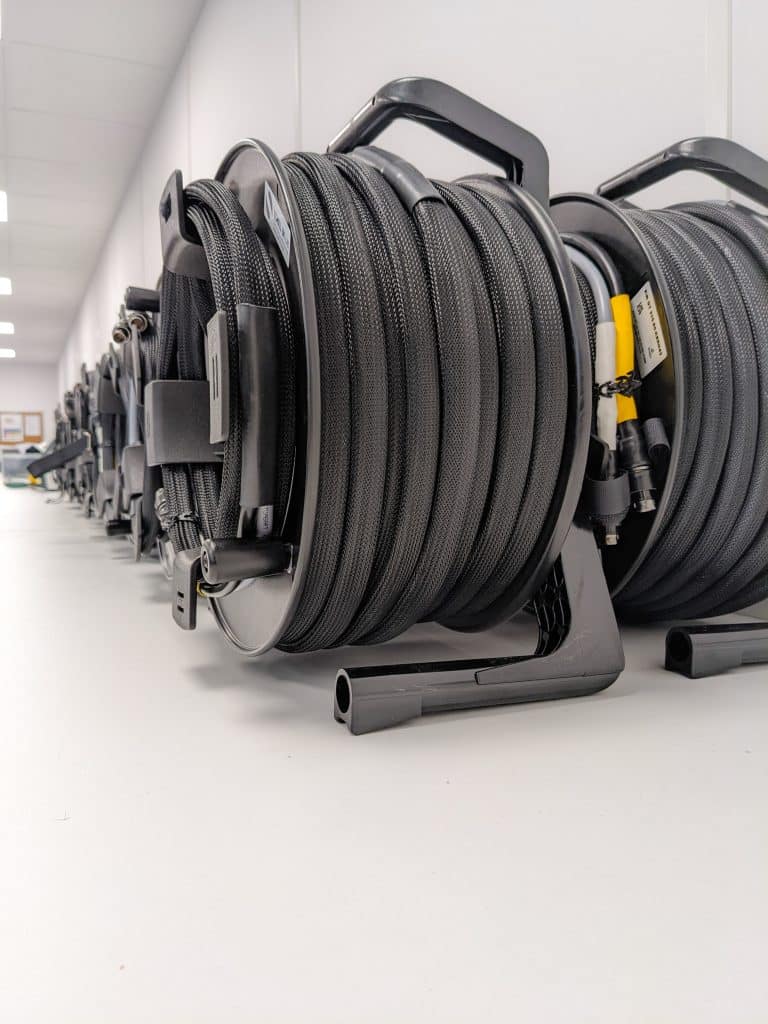
Heavy-duty plastic covers are used to protect and identify demolition cables. By placing the sleeves over wires, they gain more protection against the elements and wear and tear.
Looking for More Information on Demolition Cable Best Practices?
- Lacey Cables are experts at ensuring demolition cables are protected against heat, weather, and abrasion, so you can continue with your operations with full confidence that your cables are performing optimally. Whether you’re looking to buy cables or want information on keeping them protected, contact us today, and we’d be happy to help.