
The global energy system is currently going through one of the biggest and most significant transformations in history, and as renewable generation expands and electricity networks become decentralised, the demand for real-time monitoring and predictive maintenance is quickly increasing.
At the very centre of this transformation is a simple but crucial component – sensor cabling. Often overlooked, but generally thought of as the backbone of monitoring systems, determining whether they succeed or fail by impacting data accuracy, system reliability, and long-term infrastructure performance.
In this blog, we will discuss the future of sensor cabling in renewable energy and grid monitoring, taking a closer look at the role sensor cabling plays, and emerging trends and technologies that you should watch.
What is Sensor Cabling?
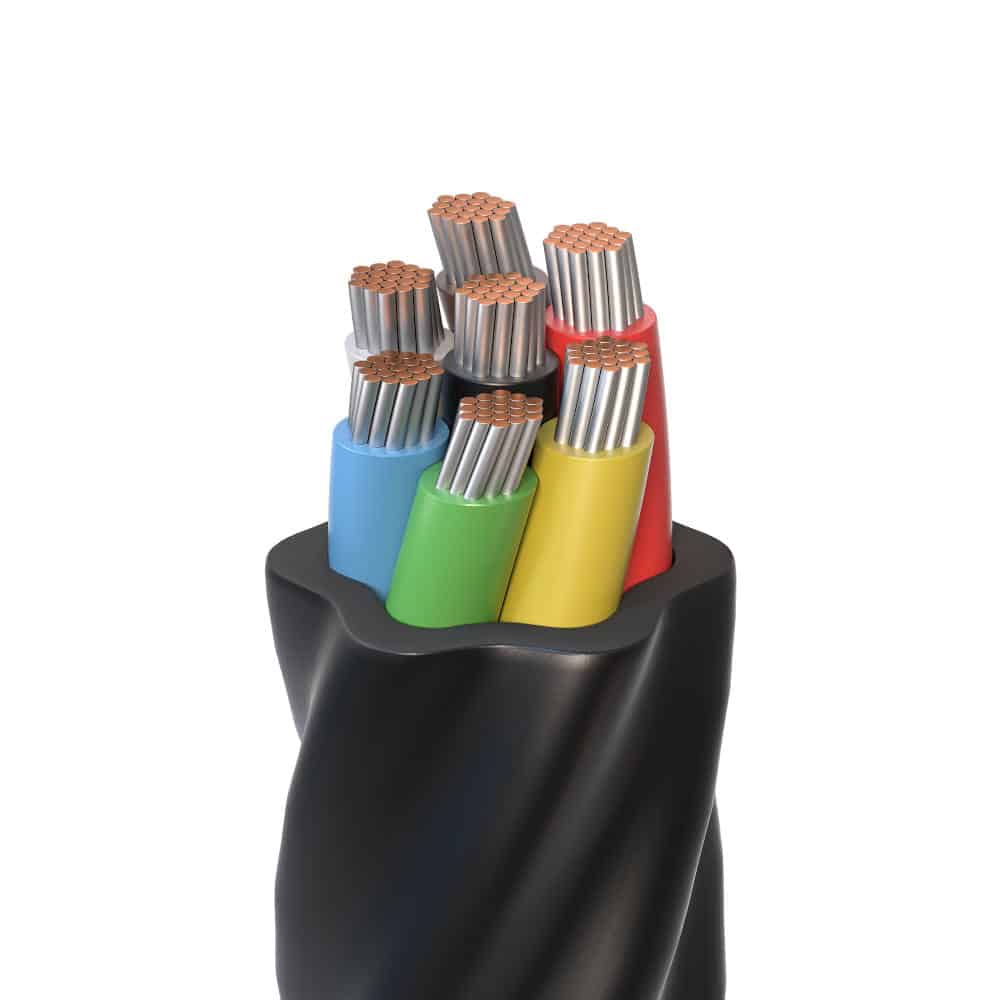
Sensor cabling refers to specialised cable systems that are designed to carry low-voltage electrical signals or data between sensors and control systems. Sensor cables essentially act as the nervous system or modern infrastructure, enabling constant communication between assets and monitoring platforms.
These cables are used to connect sensors that monitor elements like temperature, pressure, vibration, current, and environmental conditions and are found in many different industries such as manufacturing and aerospace.
The Role of Sensor Cabling in Renewable Energy
Renewable energy systems rely on distributed assets that are usually located in remote locations. This makes sensor cabling essential, as systems need to operate in demanding environments with minimal maintenance.
Wind Energy
Wind turbines require continuous monitoring of mechanical stress, vibration, temperature, and electrical performance. They operate under constant mechanical load and environmental exposure, meaning the cabling must be able to withstand movement, moisture, temperatures, and UV light, without affecting the quality of the signal.
Any degradation in cabling can cause inaccurate data, which can delay fault detection, leading to higher maintenance costs.
Battery Storage
Another example is battery energy storage systems, where the environments are sensitive to thermal and electrical variations. This means precise monitoring is required for safety. Sensor cabling in this type of application must be electrically stable whilst also being highly resistant to electromagnetic interference.
High levels of EMI activity mean shielding, and cable design are critical in ensuring consistent and reliable data transmission.
Smart Grid Monitoring
The evolution of smart grids has massively increased the importance and need for advanced sensor cabling. Modern grids are dynamic and rely on continuous data input to balance supply and demand, detect faults, and optimise performance.
Technology leaders like Siemens, ABB, and others are driving the development of intelligent grid systems that depend on real-time sensor data. These systems are sophisticated, but their effectiveness relies on the equality of the data they receive. If there is poor cabling, this can result in interference or signal loss, which can lead to delayed fault detection, reduced efficiency, and risk to grid stability.
That’s where sensor cables come in. Sensor cables are the physical layer that supports grid intelligence, helping even the most advanced technologies function effectively.
Emerging Technologies and Trends
As energy systems continue to evolve, sensor cabling is also going through technological advancements.
Fibre Optic Sensing
Fibre optic sensing technologies allow cables to act as continuous sensors, providing real-time monitoring across long distances. A key innovator in this space is AP Sensing, which creates solutions that enable distributed temperature, acoustic, and strain monitoring across critical infrastructure.
Compared to traditional copper systems, fibre optic cables offer greater bandwidth, immunity to electromagnetic interference, and the ability to monitor entire lengths of infrastructure rather than individual points.
Edge Computing
There is a shift happening towards edge computing that is changing how sensor networks operate, as data is being processed locally rather than transmitted to central systems. Sensor cables are vital in edge computing to ensure reliable, low-latency and secure data transmissions from physical assets to local processing units.
This shift places bigger demands on cabling to support higher data volumes and more complex installation environments.
Intelligent and Self-Monitoring Cables
Looking to the future, sensor cabling is expected to become more intelligent, with future systems likely to include embedded sensing capabilities that allow cables to monitor their own condition, detect temperature changes, and early signs of failure. This will enable predictive maintenance at the cable level, reducing downtime and improving overall system reliability.
Looking for Sensor Cables?
If you are working on renewable energy installations, smart grid infrastructure, or advanced monitoring systems, choosing the right sensor cabling can make a measurable difference to performance, reliability, and lifecycle costs.
At K. Lacey Cables, we specialise in high-quality cable solutions tailored to demanding industrial and energy applications. Whether you need support selecting the right specification or sourcing cables for a complex project, our team can help ensure your infrastructure is built on a reliable foundation. Speak to our team today to discuss your requirements or get expert guidance on selecting the right sensor cabling for your application.