
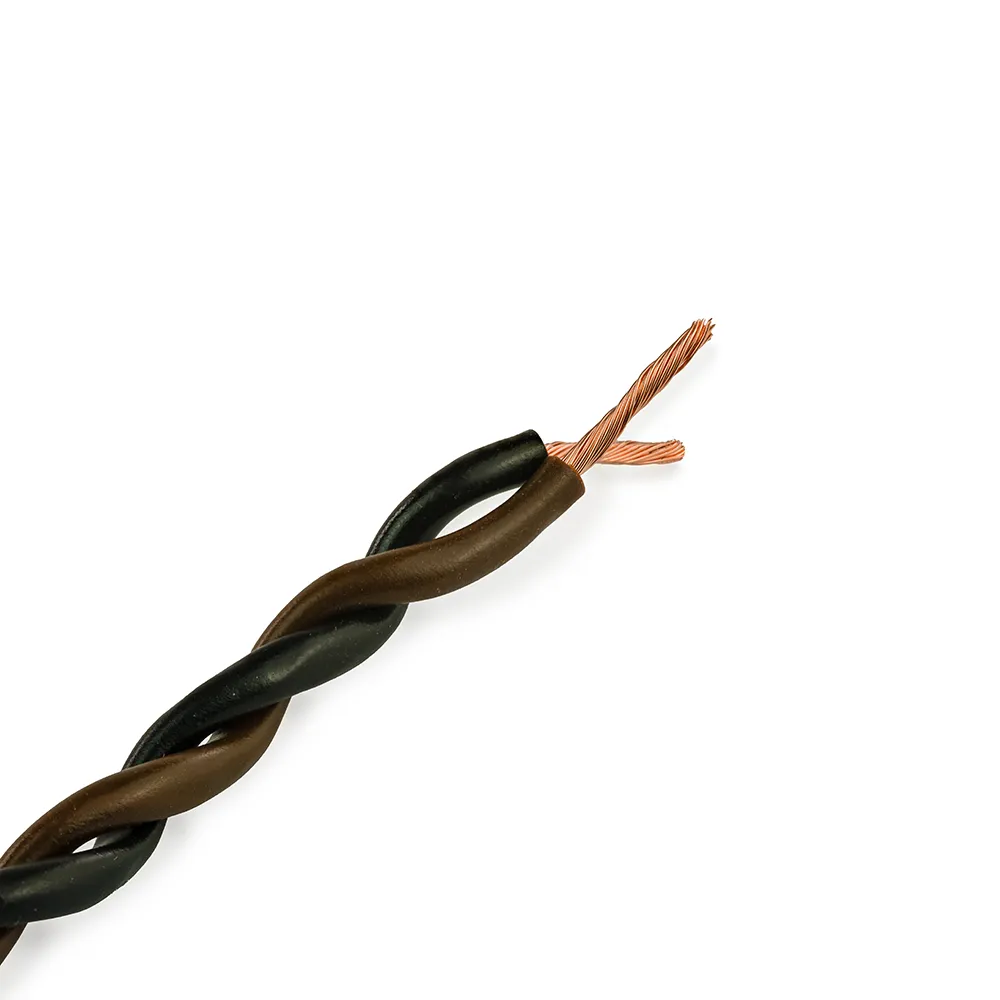
Non-magnetic conductors are crucial in demolition cables for safety and reliability. They help prevent induced currents from electromagnetic interference (EMI) or the firing current, which could accidentally trigger premature detonation of explosive charge. Demolition cables, which connect detonators to firing systems in controlled blasting, must meet strict safety and performance standards.
Non-magnetic properties play a key role in addressing important electrical and safety concerns. Using non-magnetic conductors offers a built-in safety advantage by shielding the firing circuit from external magnetic interference and avoiding self-induced magnetic effects, which is critical in high-risk explosive environments.
Non-magnetic conductors help to address key safety concerns and to reduce risks, including:
Ensuring Compliance and Safety
Non-magnetic conductors are part of the safety requirements set out by DEF 61-12 Part 17. This is part of the UK Ministry of Defence Standard covering cables, special purpose, and electrical for detonator firing circuits. Cables manufactured to DEF 61-12 Part 17 provide a number of safety benefits and require non-magnetic conductors, helping to, ensure safe and reliable performance in demanding conditions.
Reducing the Risk of Accidental Detonation
In areas with fluctuating magnetic fields (such as near power lines, electrical equipment, or military operations), a magnetic conductor could interact with these external fields. This can generate unintended electrical currents in the cable, posing a serious safety risk by potentially triggering a connected detonator prematurely. Non-magnetic cables can help to reduce this risk.
Ensuring Signal Integrity
Non-magnetic materials help preserve stable and electrical properties, which is essential for reliable signal transmission from the firing box to the detonators. The cables are often designed as twisted pairs to further minimise electromagnetic interference.
Reducing the Risk of Induced Currents and Overheating
When an electrical current, particularly an alternating current, flows through a conductor, it creates a magnetic field around it. If the conductor is magnetic, this magnetic field could induce ‘eddy currents’ within the conductor, causing energy losses and overheating. Non-magnetic materials like copper, commonly used in these cables, do not face this issue.
What is the difference between magnetic and nonmagnetic conductors?
When the conductor is made of magnetic material, the field strength inside it is much higher compared to a nonmagnetic conductor. This is because of the magnetic material’s permeability. The external field remains the same for both materials as long as the current and conductor radius are the same.
What Is a Demolition Cable?
Demolition cables are specialised wires used to safely trigger explosive charges in controlled demolition projects like mining, quarrying, structural demolition, and special effects. Essentially, a demolition cable is a multi-conductor wire with twisted pairs designed to connect detonators to firing systems. Unlike most other cables, these don’t have a sheath, armour, or markings.
Looking for More Information on Demolition Cables?
We are a trusted provider of high-quality demolition cables from respected manufacturers, with over 50 years’ experience. Whether you’d like more information on non-magnetic conductors or demolition cables, we can help. Contact us today to find out more or for a detailed quotation tailored to your cabling requirements. We also have a full technical deep dive on demolition cables if you would like to learn more about them.