
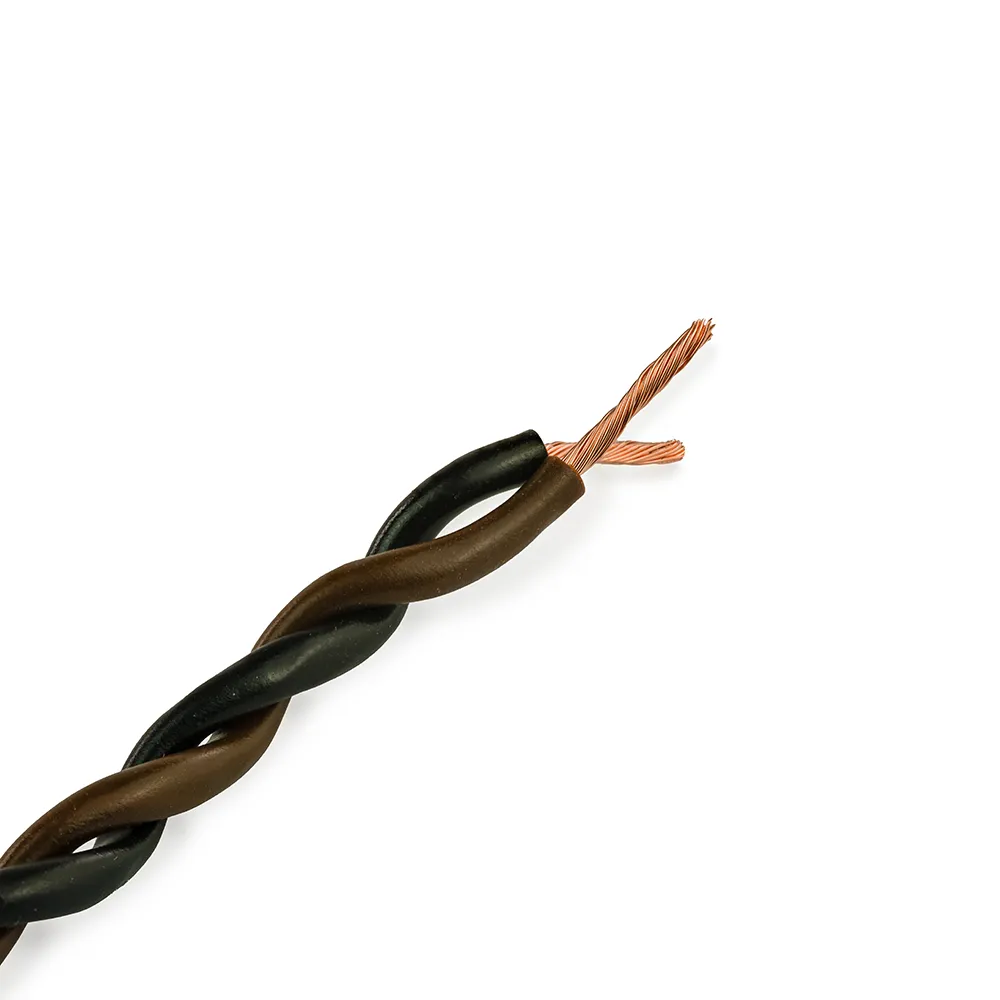
When it comes to demolition work, it’s essential to ensure the safety and reliability of your equipment. One of the most critical components is the demolition cable. These cables are a specialised type of wire used in explosive demolition and detonation tasks. They are particularly used for connecting detonators to a firing system by transmitting electrical signals from the firing device to the explosive charges to detonate.
Mishandling or improper storage of these cables can lead to cable damage, operational delays, or serious safety hazards. In this blog, we will help contractors, site managers, and technicians ensure they are properly storing their demolition cables safely and effectively by discussing best practices and practical tips.
Why Proper Handling & Storage Matters
Demolition cable is often classed as hazardous, so storing it properly is crucial for safety, compliance, cost reductions, and environmental protection.
Safety
Unorganised or improperly stored cables are a huge trip hazard for workers on site. They can also easily get damaged, which can lead to electric shocks, fires, and even explosions.
Compliance
There are certain legal requirements for proper waste handling and storage. If you do not comply with these requirements, you may receive significant fines from regulatory bodies.
Cost-Efficiency
When cables are improperly stored or handled, there is a risk of damage from environmental factors like moisture, UV radiation, and temperature fluctuations, accidental contact swith tools or machinery, and more. If damage occurs, this will mean replacement parts will need to be purchased – an unnecessary spend if they were stored correctly.
Environmental
Damaged cables mean more material waste. To better support a sustainable approach to demolition, the correct storage and handling of cables must be ensured to avoid unnecessary waste.
Best Practices for Handling & Storing Demolition Cables
Lifting & Moving
Ensuring the proper lifting techniques when it comes to handling demolition cables is important for preventing damage and maintaining their integrity. You should:
- Never roll a drum on its edges across uneven surfaces, as this can damage the drum.
- Avoid dropping drums as the impact can crush or crack the drum and risk damaging the cable inside.
- Use proper lifting equipment, like forklifts, hoists, and cranes.
Handling Cable on Site
Manual handling should ideally be limited to smaller reels, and even then, it’s important that the lifting posture is correct to ensure cable protection as well as health and safety. You should always:
- Bend at the knees rather than the back
- Keep the cable close to your torso
- Avoid twisting
- Lift with two people if it’s too heavy or awkwardly shaped
Secure the Drum
When you have positioned the demolition cable drum on site, it must be properly secured to prevent accidental movement or tipping, which can lead to the drum rolling, falling, or shifting during operation. This movement can damage the cable, which can create unsafe conditions for workers. To secure the drum in place, you should:
- Ensure you position the drum on a firm, level surface to prevent wobbling or slipping.
- Use appropriate chocks or wedges to stop it from moving while the cable is being paid out.
- Avoid placing drums on makeshift supports like bricks or uneven ground that could collapse or move.
- Ensure the drum is positioned upright at all times for easy payout.
Protect Cable Ends
Cable ends are a vulnerable part of the cable and must be protected throughout handling, installation, and storage. Exposed cable ends can end up absorbing moisture, suffering from contamination, or becoming damaged. To reduce the risk of this, you should always:
- Replace end caps or covers straight after cutting or disconnecting.
- Avoid allowing cable ends to rest on the ground where they can be contaminated or absorb damp.
- Keep ends dry and sealed during long-term storage to avoid moisture absorption.
- Inspect cable ends for damage before use.
Inspect Regularly
Regular inspection is key to ensuring our demolition cables are safe and reliable. Even minor damage can lead to large operational and safety issues if left undetected. During inspections, it’s important to:
- Examine the full length of the cable for any signs of damage, including cuts, abrasions, kinks, and flattened sections.
- Check for signs of crushed insulation.
- Look for any discolouration, cracking, or brittleness on the outer sheath.
- Inspect the drum for broken flanges, loose nails, or moisture damage.
- Document and report any defects to prevent the use of the unsafe cable.
Protect From Environmental Exposure
Demolition cables are deployed in challenging environments, but unnecessary exposure can lead to premature deterioration. Elements like sunlight, moisture, and temperature extremes can compromise the safety of the cables, so it’s important to mitigate exposure by:
- Avoiding storing cable drums in direct sunlight for prolonged periods, as UV rays can degrade insulation.
- Keeping drums covered with waterproof, UV-resistant sheeting when storing outside cannot be avoided.
- Preventing contact with standing water or damp ground.
- Storing cables in dry, temperature-controlled environments.
Looking for Further Guidance on Demolition Cable Storage?
The safe handling and storage of demolition cables is extremely important when it comes to maintaining their performance whilst ensuring operator safety. At K. Lacey, we supply high-quality demolition cables engineered for safety, durability and performance, and can offer expert advice on usage. Through expert guidance, data sheets, and recommended best practices, we can help your business operate safely and efficiently. Contact us today for more information.