
You are here:
- Home
- Market Sectors
- Industrial Cables
Industrial Cables
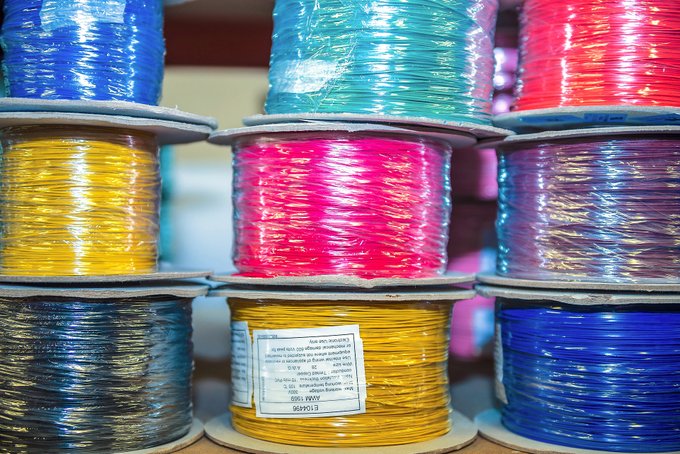
What is Industrial Cable?
Industrial cables are specialised electrical cables designed to withstand harsh conditions in industrial environments. They are used to transmit power and control signals or data in machinery and equipment. They are built for durability, flexibility, and resistance to temperature, moisture, chemicals, and mechanical stress.
The Difference Between Industrial Cable and Regular Cable
Industrial cables are durable, flexible, and resistant to extreme conditions. They are designed to withstand pressure and stress and are built to meet strict safety standards for high-power and hazardous environments.
Alternatively, regular cables are intended for light duty, residential, or office use, such as powering household appliances or electronics. Because they are not built to withstand harsh conditions, they are less durable and are mainly used in controlled environments where environmental factors are not as severe.
Types of Industrial Wires and Cables
EV Charging Cable
EV charging cables are used to connect electric vehicles to charging stations, allowing for the safe transfer of electrical power to charge the vehicle’s battery. They are designed with specific safety features such as weather resistant insulation and built-in protection against overcurrent and overheating.
Control Cable
Control cables are designed to transmit low-voltage control signals between machinery or equipment. These cables are commonly used in industrial automation systems, often feature multiple conductors, and may include shielding to prevent signal interference. Common applications range from industrial automation and process control systems to power plants and substations.
Extension Cabling
Extension cables are used to extend the reach of electrical devices by connecting them to a power source over a longer distance. These cables are commonly used in both residential and industrial settings and come in various lengths, gauges, and insulation types to suit different needs.
Power Cables
Power cables provide a connection between electrical appliances and power outlets, delivering electrical current to devices like computers, household appliances, and industrial equipment. They typically consist of insulated wires that ensure safe and reliable power delivery.
Instrumentation Cables
Instrumentation cables are multiple conductor cables that generally used to transmit low-energy electrical signals and are used for monitoring or controlling electrical power systems. They’re highly durable, flexible, and reliable cables.
Industrial Cable Standards
Our industrial cables are designed and manufactured to meet global quality standards, including IEC, UL, and RoHS compliance. We guarantee that each cable meets the specific safety and environmental requirements of various industrial applications, ensuring reliable and long lasting performance.
K Lacey Industrial Wire and Cable
We offer a huge range of sensor cables that are suitable for a variety of applications. Contact us today to find the perfect solution for your specific needs and ensure optimal performance and reliability.
The Benefits of K Lacey Industrial Cable
Industrial cables are designed to withstand harsh environments, including extreme temperatures, moisture, chemicals, and physical stress. This ensures a longer lifespan and reduced maintenance costs, making them ideal for demanding industrial applications like manufacturing, mining, and power generation.
These cables are also built to meet strict safety standards and are often flame resistant, impact resistant, and designed to prevent electrical faults. This ensures safe operation in hazardous environments, reducing the risk of accidents and downtime.
Importantly, industrial cables are engineered for consistent, reliable performance, even in challenging environments. Whether they are being used for high power transmission, data communication, or automation systems, these cables maintain signal integrity and power delivery, ensuring smooth and efficient operations in critical industrial processes.
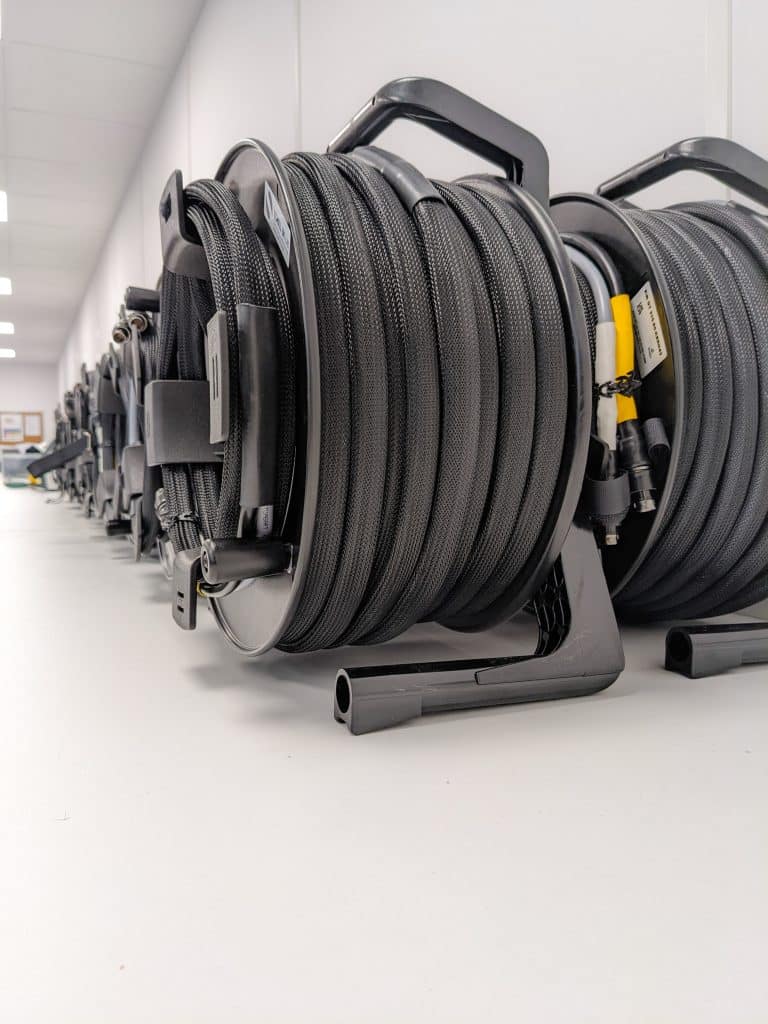
Installation and Maintenance
When installing your industrial cables, proper installation and maintenance are important in order to ensure top performance, durability, and safety. This includes:
- Always adhering to the manufacturer’s specifications, such as minimum bend radius to prevent damage and signal loss.
- Using conduits or trays where mechanical protection is needed.
- Ensure clean, tight, and properly crimped or soldered terminations for longevity.
- Regularly check inspections to detect signs of wear and tear before they become larger, more expensive issues.
- Implement cable protection systems.
Industry Standards and Certifications
Industrial cables are usually required to meet certain standards and certifications to ensure safety, reliability, and environmental compliance. These include:
- British Standards – guidelines for the construction, performance, and installation of electrical cables in the UK.
- Defence Standards – specifications set by the UK Ministry of Defence to ensure cables are highly reliable and robust for military and industrial use.
- IEC – standards that define electrical, mechanical, and environmental performance requirements.
- UL – a certification to demonstrate that a cable has been rigorously tested for safety and fire resistance.
Why Choose K Lacey for Your Industrial Cabling?
Boasting over 50 years of experience, K Lacey is the ultimate, go-to cables and wires provider across the UK and internationally. We offer a large stockholding of popular and diverse cables and wires, primarily sourced from leading UK manufacturers. This extensive range is generally available for immediate delivery.
Renowned for our outstanding customer service, unfaltering attention to detail, and unrivalled expert knowledge, we are here to answer any questions or queries you may have relating to your specific cable and wire needs. Contact us today to discuss your cabling and wiring requirements with our dedicated team of experts.
We also offer a range of other wiring and cables designed for the military, sensor equipment and electronics.
Frequently Asked Questions (FAQs)
The right cable depends on your specific needs including the type of environment, electrical load, temperature range, and mechanical stress. Our experts can help you to identify the best cable based on your requirements.
We provide cables designed for outdoor and extreme environments, including UV resistant cables, cables with robust insulation, and explosion proof cables for hazardous areas. These cables are engineered to withstand the toughest conditions.
We offer custom cables tailored to meet the unique requirements of your industrial operations including special insulation, shielding, and conductor configurations.
Our control cables and data cables are commonly used in automation systems, robotics, and manufacturing processes to transmit signals and data between machines and control panels.
Many of our industrial cables are fire resistant, with options that meet international fire safety standards. We offer cables with flame resistant coatings to ensure safe operation in fire prone environments.
Ensure that cables are installed according to manufacturer specifications and local safety codes. We provide comprehensive guidelines and support during installation, including recommended cable types, safety practices, and maintenance schedules.
Our industrial cables are designed to operate in a wide range of temperatures from -40°C to +90°C, depending on the cable type and insulation material.
We offer a variety of shielded cables, including twisted pair and coaxial cables, to protect against electromagnetic interference, ensuring reliable signal transmission in sensitive environments.